Web Analytics
07Sep

20 Top Signals From Google Analytics

google-analytics-name2-1920

In 2017, data drives every aspect of business. From predictive analytics powered by artificial intelligence, to data-based operating systems that allow businesses to perform just about any task with an immediate backdrop of company data, businesses are growing increasingly savvy about how to use data to guide their every step.

The story is no different in the realm of marketing. The most effective marketing decisions are data-driven these days, based on which tactics garner the most traffic, the most engagement, or the most conversions. And where does most of that marketing data come from? Google analytics.

Everyone knows that you can get website traffic information from google analytics, but what many people don’t know is just how much it allows them to drill down into the details of that data, and how they can use that nitty-gritty to inform every marketing decision they make. Here are just 20 of the things that Google Analytics can do – and how you can use them to your advantage.

1. Data from other sources.

Wondering where your social media stats fit into the big picture presented by Google Analytics? Need one central dashboard with all your marketing data in one place? Google Analytics has a Data Import function that allows you to combine data from other sources with the data it provides, thus giving you a complete picture of the results of your online marketing efforts – vital information in order for you to make educated decisions about your strategy.

2. Show real-time traffic data.

How many people are on your site right now? Log in to Google analytics and you can watch visitors come and go in real-time on your computer screen. What pages are they on? Where are they lingering, and when do they leave? It can be extremely informative – not to mention exciting – to watch your traffic in real-time.

3. Find the geographic locations your visitors come from.

Whether you’re targeting an international audience or just your own hometown, GA can show you where your marketing activities are having an impact. It allows you to see both the countries and the cities where your visitors are located. You might be surprised to learn that your marketing message is resonating with people in unexpected locations – and you can use that information to tweak your tactics accordingly.

4. See which devices your visitors are using.

Google Analytics allows you to see whether your visitors are primarily mobile or computer-based – which gives you insight into how important it is for you to have a mobile-friendly site. But more than that, GA lets you know what types of devices they’re using, right down to the brand and operating systems, so you can check your site’s performance on each one and make sure it’s optimized for all of your visitors.

5. Show the channels your traffic is coming from.

If you’re wondering whether your marketing tactics have been more successful with search engines or on social media, Google analytics will show you exactly which channels are sending you traffic, and how much of it you’re getting from each one. You may want to focus more intensely on certain channels once you see their ROI, and tweak your tactics on others to make them more effective.

6. Watch the path visitors take through your site.

By clicking on ‘Behavior Flow’ in GA, you’ll be able to see each step a visitor takes when they visit your site, from the page that brought them in, to the ones they visited next, and finally, which one made them leave. This data is invaluable, giving you insight into what attracts your traffic, what holds their interest, and which pages you still need to work on to make them just as interesting.

7. Rank pages by popularity.

You can also check to see the top, most often visited pages on your site – whether you want to know which pages are your all-time best performers, or which ones did the best last month. This data gives you a deeper understanding of what type of content does well with your audience, and what falls flat. Maybe seasonal blog posts draw a ton of traffic, but informational pages don’t – or vice versa. The numbers practically write your content strategy for you.

8. Track your e-commerce performance.

This one require a little legwork on your part first, as you’ll have to set up e-commerce tracking manually within GA – but once you do, Google analytics will keep tabs on sales activity on your site, from which products are your best sellers to the times they were purchased and whether they were eventually returned and refunded.

9. Watch your conversion rates for other goals.

Once again, you’ll need to set this up manually within GA, but once you set your goals, Google Analytics will track how many visitors are converting. You can have multiple goals, from filling out a Contact Us form to signing up for an email newsletter, and GA will show you just how effective your content, design, and calls to action are.

10. Track clicks on your site.

Google analytics will actually track every single click on clickable parts of your site’s pages, so that you can see what’s working to attract clicks, and what’s not – and tweak accordingly.

11. Segment your traffic for more insight.

You can also segment your traffic within Google analytic s, dividing it up based on traffic source, whether they converted or not, and much more. By doing this, you get a much more granular view of which groups are doing what, and which pages on your site are working – or not working – with each group.

12. View the interests of your visitors.

While you can’t personally track individual visitors with Google Analytics, you can still find out a lot about each one. Their interests, for example, and even their professions. This data can also be invaluable in determining how to tweak your marketing approach to appeal to them most effectively.

13. Check the results of your longer-term marketing campaigns.

Whether it’s a paid Ad Words campaign or an organic social media blitz, you can track your results in Google Analytics easily. You’ll just have to add a tracking code to the end of the URL you’re sending visitors to, and then GA will be able to show you how well you’re doing by tracking traffic to that URL.

14. Check the results of quick, one-day campaigns.

With GA’s real-time traffic tracking, you can watch the performance of even short marketing campaigns in order to find out what works and what doesn’t. This can guide your future short campaigns, or inform your strategy for longer campaigns.

15. Watch the real-time effects of social sharing.

Did you just post a new blog post to Facebook? Or ask people to visit your landing page on Twitter? Once again, GA’s real-time view of traffic will allow you to watch as people begin to engage with your content, and help you determine what works and what doesn’t.

16. Test site changes in real-time.

And one more real-time benefit? You can make changes to your site, and then track exactly how they’re affecting your traffic’s behavior in real-time. Are they leading to more conversions, or fewer? Are they guiding visitors through the sales funnel, or are they causing a higher bounce rate? The answers will tell you how to tweak your site.

17. Create your own channel groups for tracking traffic sources.

Google Analytics does offer its own channel categories for tracking the sources your traffic comes from, but you can also create your own unique groupings of channels to keep tabs on your visitors and which tactics are most effective at attracting them to your site.

18. How quickly your website loads.

Since site loading speed is part of Google’s ranking algorithm, this is an important thing to check from time to time. If Google Analytics tells you it’s taking longer than three seconds to load for your visitors, you’ll need to take steps to speed it up.

19. Track cart abandonment.

One of the most important things GA can do for e-commerce sites is help you determine the point when visitors are abandoning their carts. Is it at the shipping page? The payment page? Once you have this information, you can try offering discounts or free shipping or even just changing the flow of your check out process to see what gets more visitors to complete their purchases.

20. Track form abandonment.

If, for you, a conversion means filling out a form on your site, then GA can help you see which blanks are being filled in, and at what point your form is being abandoned. This can be invaluable in understanding how to change your form or your calls to action in order to get visitors to finish giving you their information.

Believe it or not, this is far from all that Google analytics can do. Start with these 20 things to give yourself a solid foundation in navigating GA, and then you’ll feel more confident exploring everything else it has to offer. And once you’ve got the hang of it, you’ll be amazed at just how much more effective your marketing becomes, now that it’s based on the detailed data Google analytics provides.
04Aug

Top ways by which Social Media Can Boost Your SEO

Spaceship-Boosting-SEO

Social media is an amazing and proven way to grow an online brand, and all it takes is creativity, passion, and consistency to proceed in the right direction. If you have not yet entered the social media, take a moment to prepare a plan to create your profile and start building your online community.

Regardless of the niche, your business belongs to; social media should be an essential part of your marketing strategy. Every business should have social media presence and a minimum marketing plan in place, and you should be engaging your audience at least once a week.

if you’re still thinking about getting started or taking social media seriously, take a moment and consider these points:

Your Competition is Already Social

Your competitors are already active on social media. That means your potential social media traffic and conversions are being diverted to their business and website, thus growing their business.

The Earlier You Start, the Quicker You Get the Benefits

Now you know that social media is all about relationship building, and it grows as your followers tell their friends, and those friends tell their friends, and so on. The earlier you start, you’ll be able to start growing that audience quickly.

You Don’t Lose Anything

Basically, you are not going to lose anything by getting started in social media. Both the amount of time and money you spend to create your profiles and start posting is usually minimal, considering other marketing channels.

Today, there’s little doubt among marketers that SEO and social media are two must-have components of any effective digital marketing strategy. After all, SEO is arguably the founding-father-tactic of digital marketing, and social media is theplace on the web where our audiences gather, share and engage every day.

However, regardless of whether social signals are used as a ranking factor—when done right—social media can most definitely enhance your  SEO efforts. How? Below I share three reasons why, as well as some tips to make your social content more SEO friendly.

Social media can lead to quality backlinks.

backlinks

14Jul

Top 10 Services Offered By Digital Marketing Companies In Kerala

Digital Marketing

Services of Digital marketing companies in Kerala  is considered to be are an important element for any business model, and should always be part of your overall marketing strategy.  While it is possible to undertake online marketing yourself, unless you have a thorough understanding the concepts, you may not use it to its best effect. Hiring an outside company to take care of your online marketing will leave you to focus on growing your business, but if you’re unsure about how an outside company could help your business, here’s 10 top services offered by great digital marketing companies.

SEO services

A key element of digital marketing, search engine optimization services or SEO, should include keyword research, link building and copywriting. To maximise the potential of SEO, it’s important to use a digital marketing company that offer a complete site audit before they even begin to create their strategy.

Pay-per-click (PPC)

PPC is a model of internet/digital marketing where advertisers pay a fee each time one of their ads is clicked. Put simply, it’s a method of buying visits to your website. Professional advice will help you to develop a coherent strategy to bring you a good return on your investment.

Google Ads

Which leads us onto Google Ads. Probably the most popular PPC advertising system in the world, it enables users to create ads which will appear on Google’s search engines, and can prove to be a really effective way to promote your website.

Website Design and Programming

As your website is the digital face of your company, you need the most appropriate design for your business, which will operate on multiple viewing platforms, including mobile. The best online marketing experts will help you to redesign your website to ensure that it’s fully optimized.

Content Marketing

Having high-quality, relevant and consistent content plays a key part in attracting and retaining your audience, and ultimately driving profitable customer interaction. Therefore, you should choose a digital marketing company who not only knows which content you need on your site, but will take the time to understand the nature and ethos of your business.

Social Media Marketing

Together with your website, your social media channels, such as Facebook, Twitter and Instagram, make up the vast majority of your online brand. Having a social media strategy is very important, as it shows the nature of your brand and how you interact with your customers. Good online marketing companies will help you to set up and manage this interaction, and provide advice on strategies to adopt.

Conversion Marketing

Good online marketing companies can help you to come up with effective strategies to convert the people who browse your site into paying customers. This is known as conversion marketing, and is measured by the percentage of visitors who take up your offers.

Email Marketing

Email marketing is sometimes seen as the poor relation to social media, however you shouldn’t underestimate the power of this marketing strategy. There are almost three times as many email user accounts than Facebook and Twitter combined, plus email marketing offers a more personal and more businesslike marketing approach.

Mobile Marketing (optimizing a website for mobile)

As more and more people rely on their mobiles and tablets for shopping and other kinds of business, it makes sense to ensure that your website is fully functional on all devices.

Help and support

Not a marketing strategy as such, but knowing that you have access to help and support whenever you need it, is vital for ensuring that you keep your online presence relevant and up-to-date.


To get more details get in touch with best digital marketing company in Kerala

23Jun

5 Simple Steps To Create Effective Digital Marketing Campaigns

digital-marketing-banner

Are you experiencing a creative drought? Or are you bursting with creative ideas for your digital marketing campaigns, but stumped about ways to validate these ideas? Here are five  simple ways you can come up with more creative digital marketing campaigns to achieve your business goals today, no matter where you are in the campaign planning process.

1. Spend More Time On Listening

Listening to your friends comes naturally. You want to hear what they have to say, and it’s easy: They’re sitting across the table from you at brunch, or you’re texting up a storm, back and forth. Because you are involved in this seamless exchange of information, and listening intently, you know as much about many of your friends as you do about yourself. The same is not true of your relationship with your social audience.

With our social audiences, we tend to push out information (owned content) and measure the effect of that content. Sometimes we forget to begin by listening to our audiences and building content around what they actually care about. We end up pushing out content that just isn’t quite right. It’s like your friend telling you about a Golden Retriever puppy she wants to adopt and asking for your advice, and you responding by listing out your favourite qualities of Labradoodles—tangentially related, but not quite right. We marketers fall into this trap an awful lot. Here’s how you can begin to shift your thinking.

2. Build Your Empathy

Building empathy happens when you pay attention and listen deeply. This tends to come naturally in friendships: If your friend is hurting, you’re hurting. You wouldn’t scroll through your Instagram feed while your friend shared the painful news of his divorce, would you? The same concept can be applied to your relationship with your customers and/or social audience. Don’t busy yourself so much with your owned content (what your brand has to say) that you miss out on what your audience is saying and feeling on social, forums, and blogs.

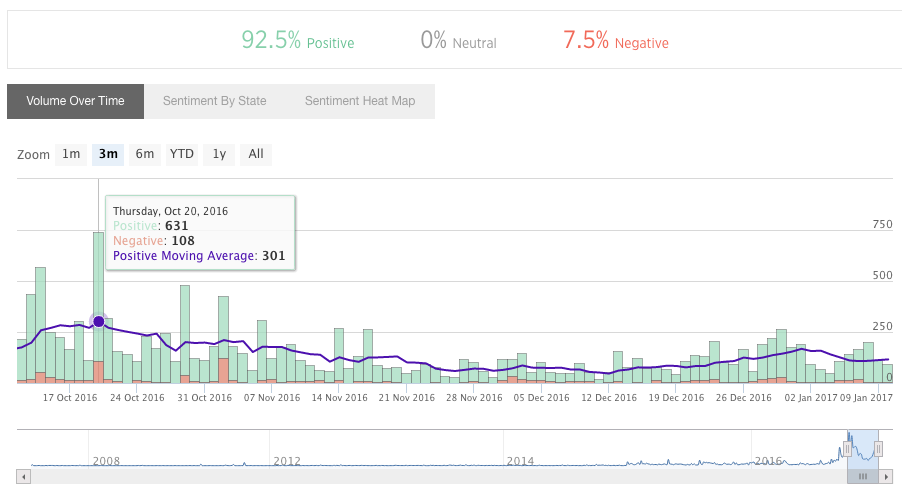
Volume and sentiment from Simply Measured Listening

Volume and sentiment from Simply Measured Listening

By building a solid foundation of empathy for your audience’s wants and needs—and how those wants and needs evolve throughout the customer journey—you’re also building better content, responses, and, ultimately, sentiment around your brand.

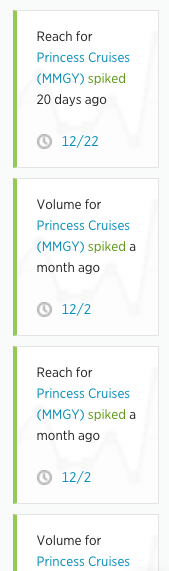
Volume spikes and alerts from Simply Measured Listening3.Know the History OF YOUR WORKS

One reason you’re able to understand your closest friends so easily is that you have a shared history. You’ve heard the story about Johnny chipping his tooth on a parmesan rind back in college a million times. You were there when Linda got to party with Snoop Dogg on her bachelorette trip. The same level of historical knowledge is important when it comes to your customers.

When has your brand experienced the greatest spikes in reach, engagement, and volume? Which tactics and channels have historically worked for you (or your competition), and which have been misses? This is another common mistake for marketers: We commit to a campaign, regard it as a success or failure, and then move on too quickly to learn and document valuable lessons that can help us do better in the future. Don’t fall into this trap! Continue adding to your (separate) lists of customer knowledge and self-knowledge regularly as time passes and the data keeps rolling in.

5.Share a Common Language

You and your best friend have an endless assortment of inside jokes and maybe even made-up words and phrases that only you two understand. It’s kind of annoying, TBH. But shared experience means shared language. The same is true for listening to your customers on social.

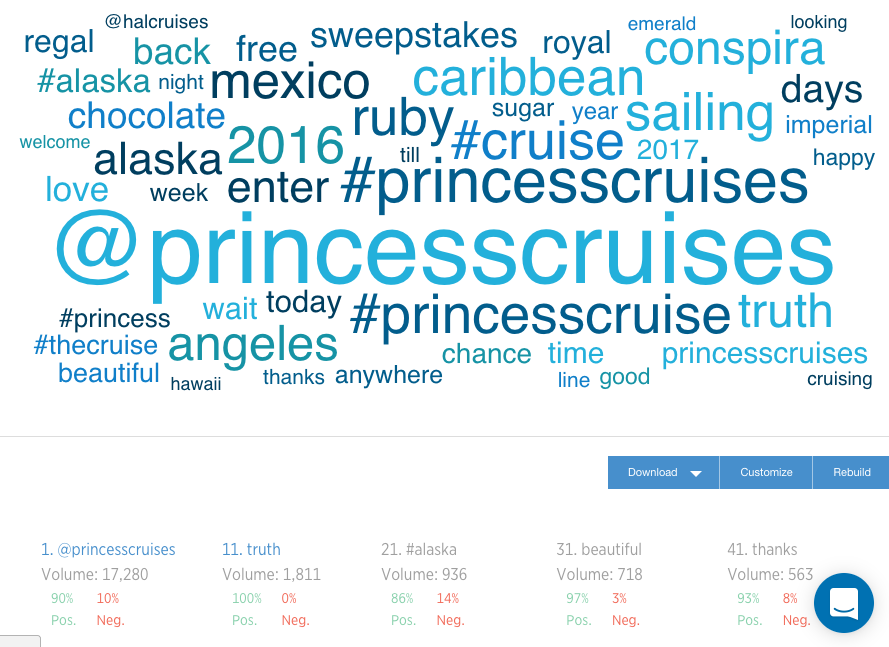
Word cloud from Simply Measured Listening

Word cloud from Simply Measured Listening

If you understand the slang and solutions that your audience throws at one another without you hovering in the room, you’ll eventually be able to learn their language and use it to better reach them.

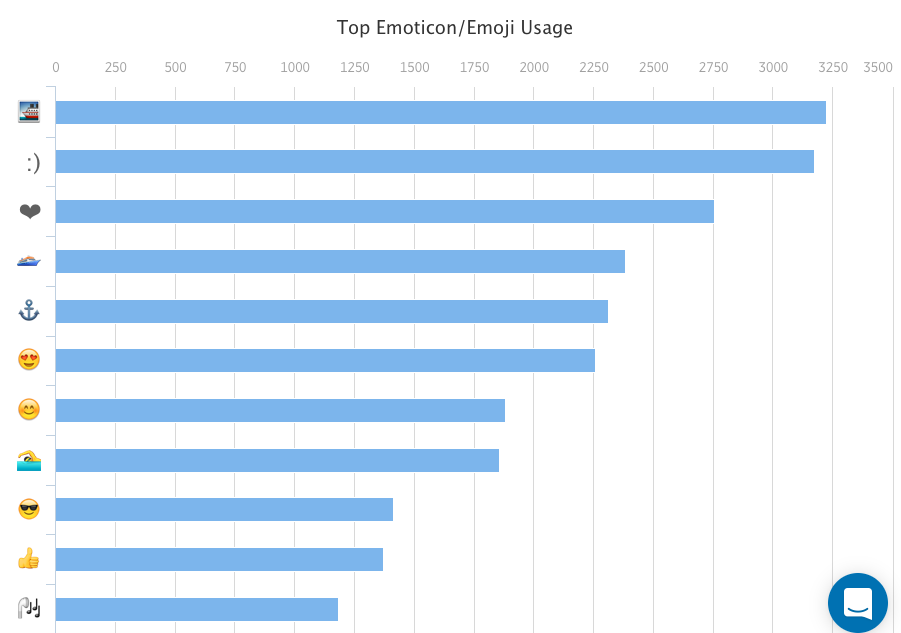
Top emojis used in relation to a brand from Simply Measured Listening
15Jun

How to increase your blog traffic?


The bad news is that it’s not quite that simple. Was Japan built in a day?  NO Then why to worry. It takes doing several things right—and doing them over a long period of time.

The good news is that it’s not rocket science. I have used several basic techniques to increase my blog traffic every year since I started tracking it in 2008 using Google Analytics. Some years have been better than others, but all have shown an increase:

Year Pageviews Increase
2008 574,778 N/A
2009 1,496,241 160.3%
2010 1,972,497 31.8%
2011 5,060,331 156.5%
2012 7,030,343 38.9%
2013 7,802,426 11.0%
2014 9,236,113 18.4%


I believe you can dramatically increase your blog traffic by following these ten strategies.

18May

7 top cases to increase your Twitter engagement

1. Insert Links Into Your Tweets  

Who says social media marketing is not an effective strategy?

On average, tweets with links generate about 86% more re-tweets. This is because link insertions elevate reader interaction.

When 36% of tweets are made with links, it is worth considering as a viable strategy.


View image on Twitter

In order to set your business on an uptrend, customers should know about your product. Links increase engagement metrics of your page and in return, drive clientele to your product.