06Aug

Simple steps to create an E-commerce website

In this Digital World, starting an E-commerce website is the perfect decision that any business should take. If you own a physical retail store or not, it is must to get an online store in your name to reach out your products to millions of customers all over the world.

However, to build any successful business, you must need some good business plans. Follow the steps to start your online business.

1: Choose a domain for your e-commerce website
2: Choose the right platform
3: Design your store
4: Set up payments
5: Add products
6: Test the checkout
7: Look after SEO and analytics

Choose a Domain for your E-commerce website :

After deciding to start a business, you have to choose a business name and should create a domain. A business name should be related to your products and also it must easily catchy for your target audience. A domain gives an identity and makes it easier for the online buyers to observe you. However, for companies with very less financial resources, it would be desirable to get a shared domain. Sharing a domain with a well established name makes it easier for reaching out to your target buyers.

Choose the right platform :

Choosing a right platform is an easy task. You need an e-commerce platform that’s flexible and easy to use. There is no need of worrying about hand coding the website. Business owners need a platform that they can easily consolidate with their existing site. Alternatively, if they don’t have a site yet, they will benefit from a platform that allows them to build a site from scratch, in a few simple steps.
27Jun

The Best trends in Digital Marketing that startups need to know


tgi-fb14 (1)

Big data :

The Big data can be useful to startups in various ways. Big data is mostly used by the professionals to get a better understanding of their target audience Big data is no longer absolute to data analysts. The use of big data can furnish t he marketers and startups with a detailed understanding of their target market. Until recently, big data was used to record things like climate information and cell phone GPS signals. With technology advancements, the B2B marketing and sales teams are now using big data to assemble more detailed information to their target audience’s wants and needs. On a larger scale, big data can be used to understand demand and supply trends in your own industry. Data recorded over decades can be collected and analyzed as a whole to observe patterns and trends. Not only the big data helps in analyzing their marketing strategies but can also give them a more accurate evaluation of their success rate.

Chatbots :

A chatbot is a computer program which conducts a communication through  auditory or textual methods. Chatbots are a kind of automated service which is basically a chat based interface that customers can interact with. It is integrated with artificial intelligence (AI) that helps to operate within the predefined set of rules. In the last year there was a critical rise in the use of artificial intelligence in marketing through the arrival of chatbots.  Already we are seeing a growth of brands using chatbots to improve the turnaround time and the customer service they contribute in their social media channels. Some companies are now using the chatbots to increase their response time to address the questions and queries from eventual leads. The more interesting thing about the chatbot is that,it can replace the gated contents and forms to generate the leads. That’s because the chatbots can respond within five minutes from the time that an inquiry is send.

16May

How to Create a Campaign in Google AdWords:

tgi1

A campaign is a set of related ad groups that is often used to organize categories of products or services that you offer. You’ll need to make at least one campaign before you can create ads in your account.

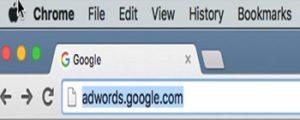
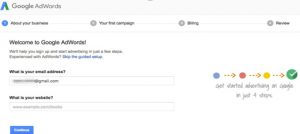
To start your campaign, go to https://adwords.google.com, find the ‘Get started now’ button, and sign up for an AdWords account. Once you are logged in, click the ‘Create your first campaign’ button. The detailed steps are given below:

  1. Sign in to your AdWords account.

Untitled-6

Untitled-8

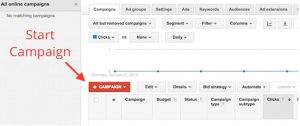
2. Click Campaigns at the top of the screen.

Untitled-9

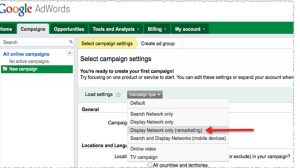
3. Click the ‘+Campaign’ and select “Display Network only.

Untitled-10

4. Click on “Buy on your website.”

23Jul

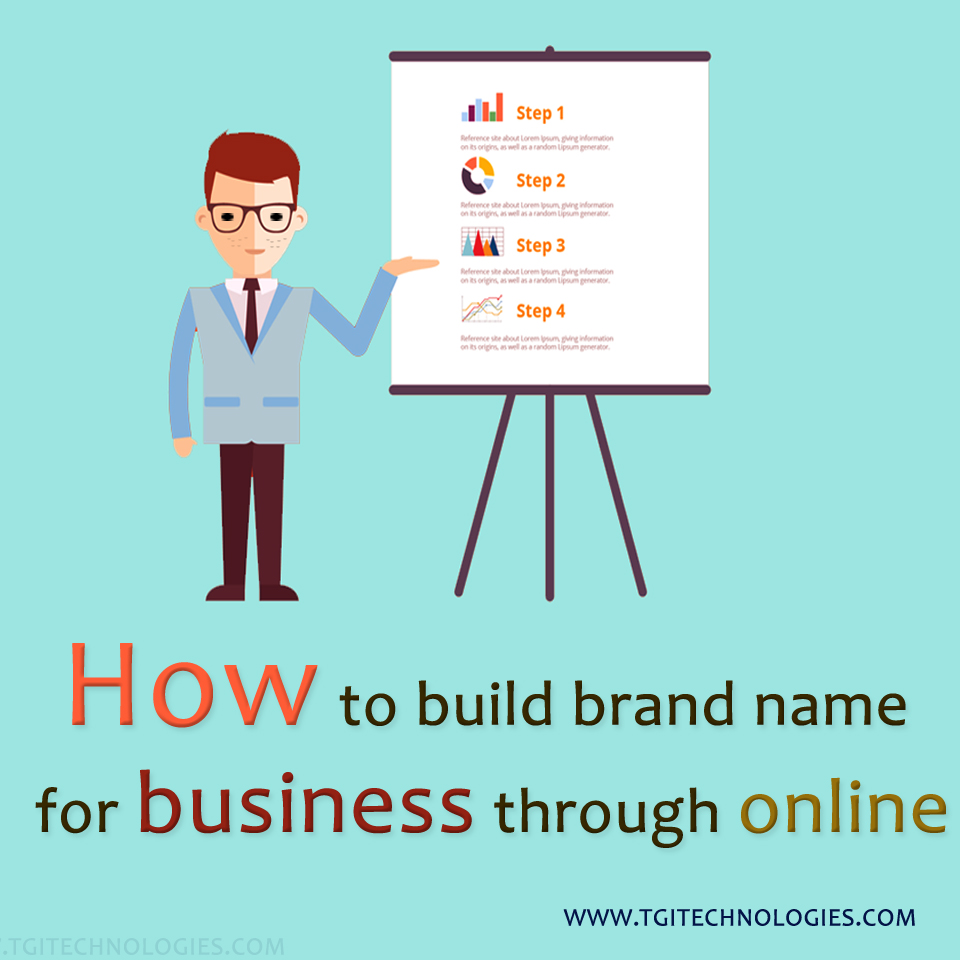
How to build brand for business through online

Online Branding is very important for businesses. Indeed, many corporate brands try to look more like small firms in order to appeal to consumers that prefer to support independent brands.

businessonlineThey recognize the link between successful businesses and strong branding and aspire to build a brand that emulates similar success for themselves. And they understand that branding is not just a logo or how their business is perceived externally. But too few realize that successful brands have  branding at the heart of the business. So much so that in many ways you could almost substitute the word brand for business.

Branding is a way of defining your business to yourself, your team and your external audiences. It could be called the business’ “identity”, but only on the understanding that it embodies the core of what the business is and its values, not just what it looks and sounds like. Customers of all sorts of businesses are so savvy today that they can see through most attempts by companies to gloss, spin or charm their way to sales.

The benefits that a strategically defined brand can bring are the same as when people fall in love with each other. When customers connect emotively — because they share the same values and beliefs of a brand — it leads to higher sales and better brand differentiation. It also leads to loyalty, advocacy and can even protect your price in times when competitors rely on promotional discounts to drive sales. It can also give you the ideal platform from which to extend your offering or range.

Here are tips on how to successfully implement branding for your business.

1.   Start with defining your brands.

Review the product or service your business offers, pinpoint the space in the market it occupies and research the emotive and rational needs and concerns of your customers. Your brand character should promote your business, connect with your customer base and differentiate you in the market.